Skip to content


Skin health is often approached through topical products and surface-level treatments. However, emerging technologies are shifting the focus toward supporting the skin at a deeper, cellular level.
Red light therapy has become an increasingly popular tool in both wellness and skincare routines — not as a quick fix, but as a way to support how the skin functions, repairs, and maintains its structure over time.
Read More: Our complete guide to red light therapy →
What Is Red Light Therapy?
Red light therapy, also known as photobiomodulation (PBM), uses specific wavelengths of red and near-infrared light — typically between 630 nm and 850 nm — to support cellular activity.
These wavelengths penetrate the skin and are absorbed by the mitochondria, where they may help support energy production and overall cellular function.
Rather than working only at the surface, red light therapy is designed to support the skin from within.
Supporting Collagen and Skin Structure
Collagen plays a central role in maintaining the skin’s firmness, elasticity, and overall appearance. Over time, natural collagen production declines, contributing to visible changes in skin texture and structure.
Red light therapy is commonly used to support the biological processes involved in collagen production. By stimulating cellular activity, it may help support the skin’s ability to maintain its structural integrity over time.
This makes it a useful addition to skincare routines focused on long-term skin health rather than short-term cosmetic results.
Skin Recovery and Visible Aging
Skin is constantly exposed to environmental stressors, including UV exposure, pollution, and daily wear. These factors contribute to oxidative stress and can affect how the skin repairs itself.
Red and near-infrared light are often used to support skin recovery by promoting circulation and cellular activity. This may help support:
- overall skin tone and texture
- recovery from environmental stress
- the skin’s natural repair processes
Rather than targeting isolated concerns, red light therapy is often used as part of a broader approach to maintaining healthy skin over time.
Red Light and Blue Light: A Complementary Approach
While red and near-infrared light are commonly used to support deeper skin function and recovery, blue light operates at a more surface level.
Blue light wavelengths — typically around 430 nm — are often used in skincare routines focused on maintaining skin clarity. This makes it a complementary addition to red light therapy, which supports the skin at a deeper, cellular level.
By combining multiple wavelengths, modern light therapy devices can support both surface-level skin balance and deeper structural processes simultaneously.
This multi-wavelength approach allows for a more complete skincare routine — addressing both visible skin concerns and underlying skin health.
Supporting Overall Skin Health
Beyond structural support, red light therapy is commonly used to promote overall skin balance.
Its interaction with cellular processes may help support:
- circulation and oxygen delivery
- cellular turnover
- skin resilience
Because of this, it is often incorporated into routines focused on long-term skin health and consistency rather than reactive treatment.
Consistency Over Intensity
As with most recovery-based technologies, consistency plays a key role in results.
Many individuals incorporate red light therapy into their routines several times per week, with sessions typically lasting between 10–20 minutes per area, depending on the device used.
Over time, consistent use may help support the skin’s natural ability to maintain structure and function.
Choosing the Right Device
Not all red light therapy devices deliver the same output or coverage. For skin-focused applications, factors such as wavelength accuracy, consistency of output, and treatment area all matter.
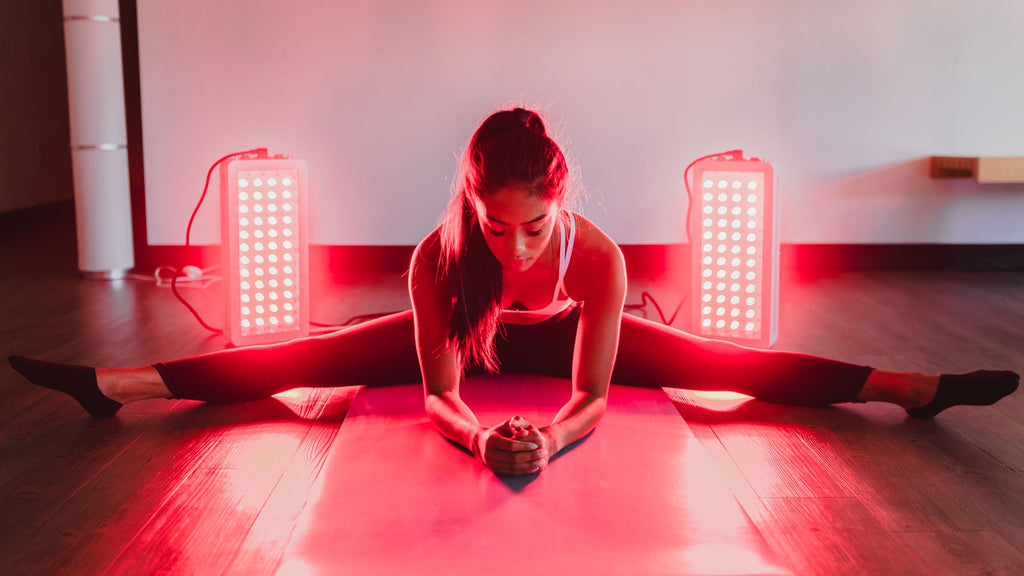
Orion panels are engineered with optimized red, near-infrared, and blue light wavelengths, designed to support full-body treatment and consistent performance across sessions.
Shop Orion Light Panels →A Smarter Approach to Skin Health
Skin health is no longer just about topical treatments. As technology continues to evolve, more people are turning toward approaches that support the body at a deeper level.
Red light therapy represents a shift toward supporting how the skin functions — not just how it looks. By working at the cellular level, it offers a more integrated approach to maintaining skin health over time.
When combined with consistent routines and overall wellness practices, it can play a meaningful role in supporting long-term skin quality and resilience.